
FDK Locações Mobilidade, Conforto e Liberdade para descobrir a Flórida
22 de setembro de 2026
Instituto – C
21 de setembro de 2026FDK Locações Mobilidade, Conforto e Liberdade para descobrir a Flórida
22 de setembro de 2026Instituto – C
21 de setembro de 2026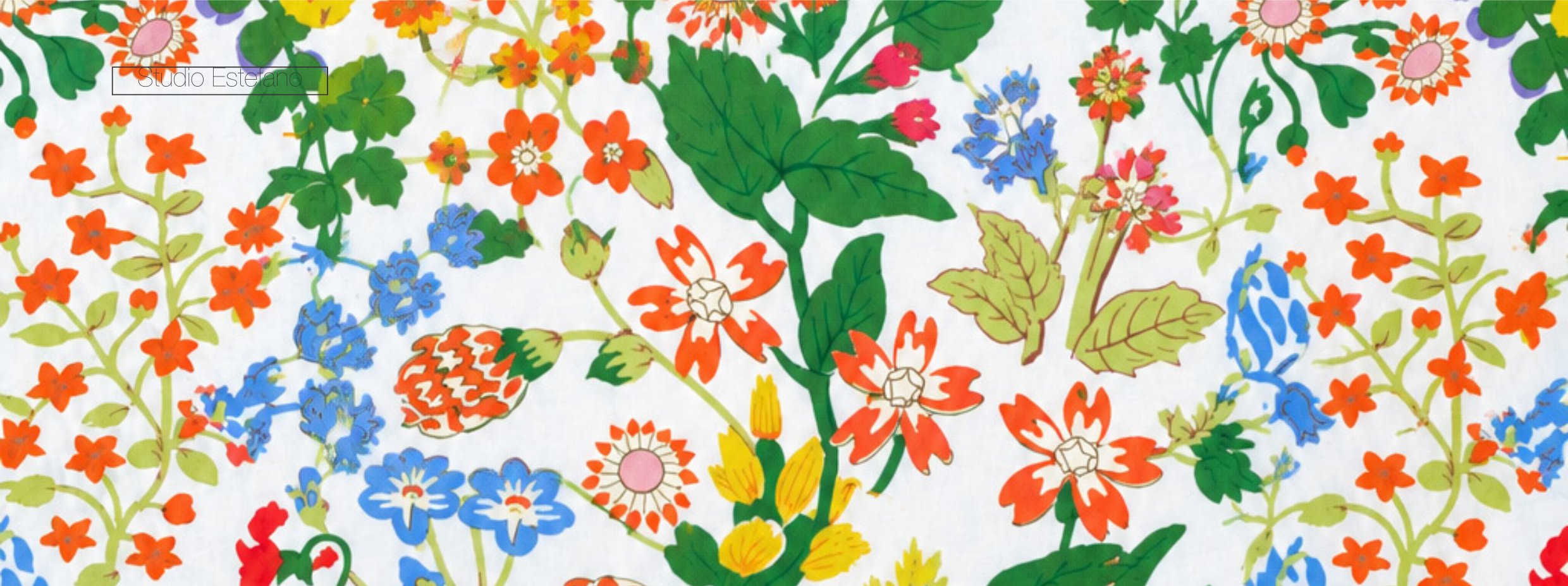
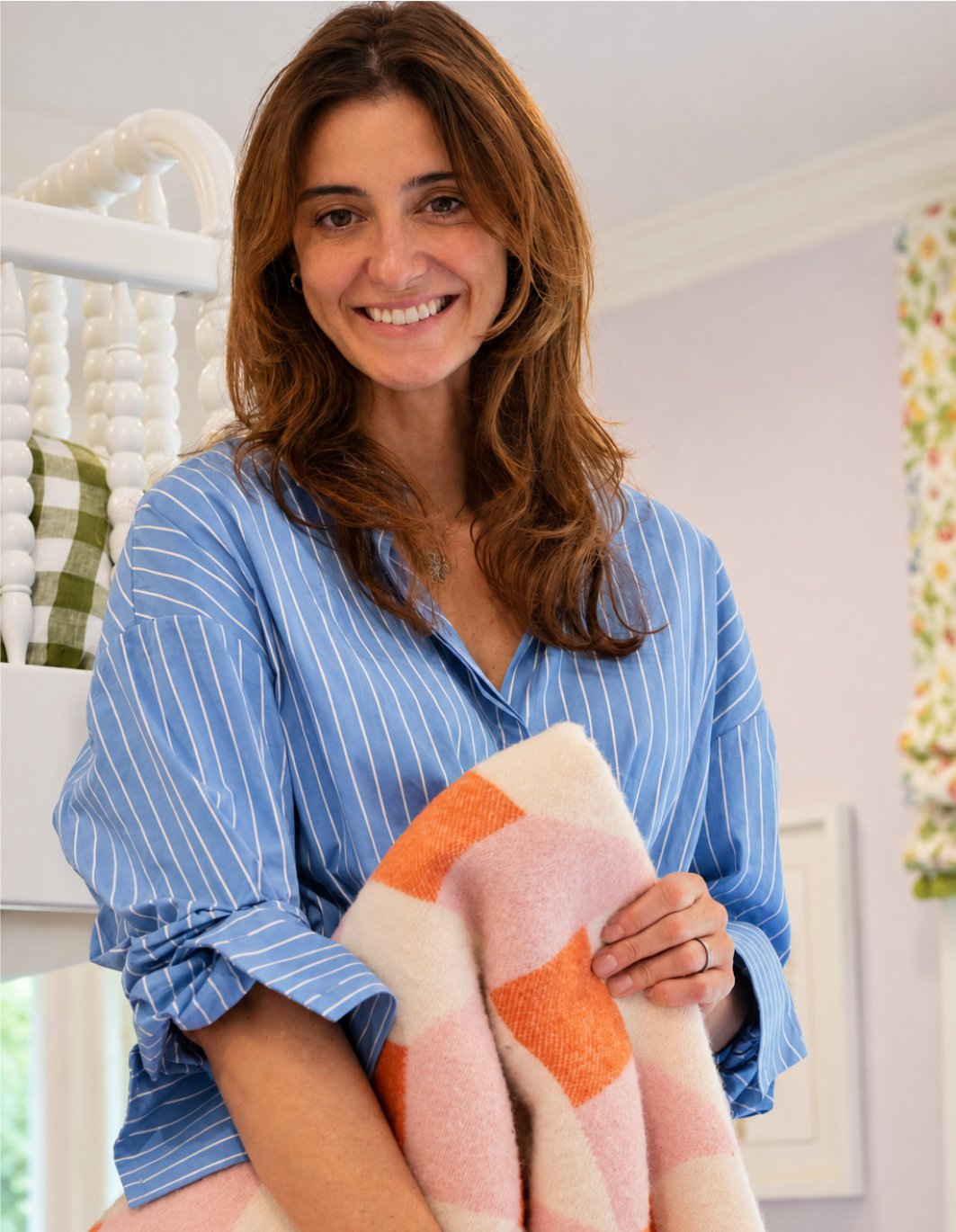
Patricia Estefano | Studio Estefano
U m projeto pode começar com uma planta, uma necessidade prática ou uma lista de desejos. Para Patricia Estefano, quase sempre começa também com uma pergunta: que vida precisa caber aqui?
Arquiteta e fundadora do Studio Estefano, Patricia não trabalha a partir de uma estética predefinida. Há valores que atravessam os projetos - beleza, proporção, sensibilidade, precisão - mas não uma fórmula visual a ser repetida. A formação técnica oferece as ferramentas para projetar; a escuta, a intuição e uma curiosidade genuína sobre o outro ajudam a descobrir o que, afinal, merece ser projetado.
Baseado em Greenwich, Connecticut, e atuando nos Estados Unidos e no Brasil, o Studio carrega também a experiência de Patricia entre diferentes culturas. Esse trânsito ampliou seu repertório e tornou mais agudo seu interesse pela relação entre espaço, identidade e modos de viver.
Porque uma casa nunca é apenas cenário. Ela interfere. Aproxima ou separa. Expõe ou protege. Cria percursos, hábitos, encontros. Uma janela pode transformar a relação com um cômodo, uma mesa pode mudar a maneira como uma família se reúne, a escala de um ambiente pode fazer alguém querer permanecer ou simplesmente passar por ele.
É nesse sentido que Patricia descreve o ambiente construído como uma “via de mão dupla”. Os espaços carregam marcas de quem os habita, mas também agem sobre essas pessoas. Contam algo sobre a vida que já existe e, às vezes, ajudam a ensaiar aquela que ainda está por vir.
Talvez por isso tantos projetos cheguem ao Studio acompanhados de alguma forma de transição. Uma família cresce. Um filho sai de casa. Uma relação termina. Uma mudança ou uma nova casa inaugura uma fase que ainda nem se sabe exatamente como viver.
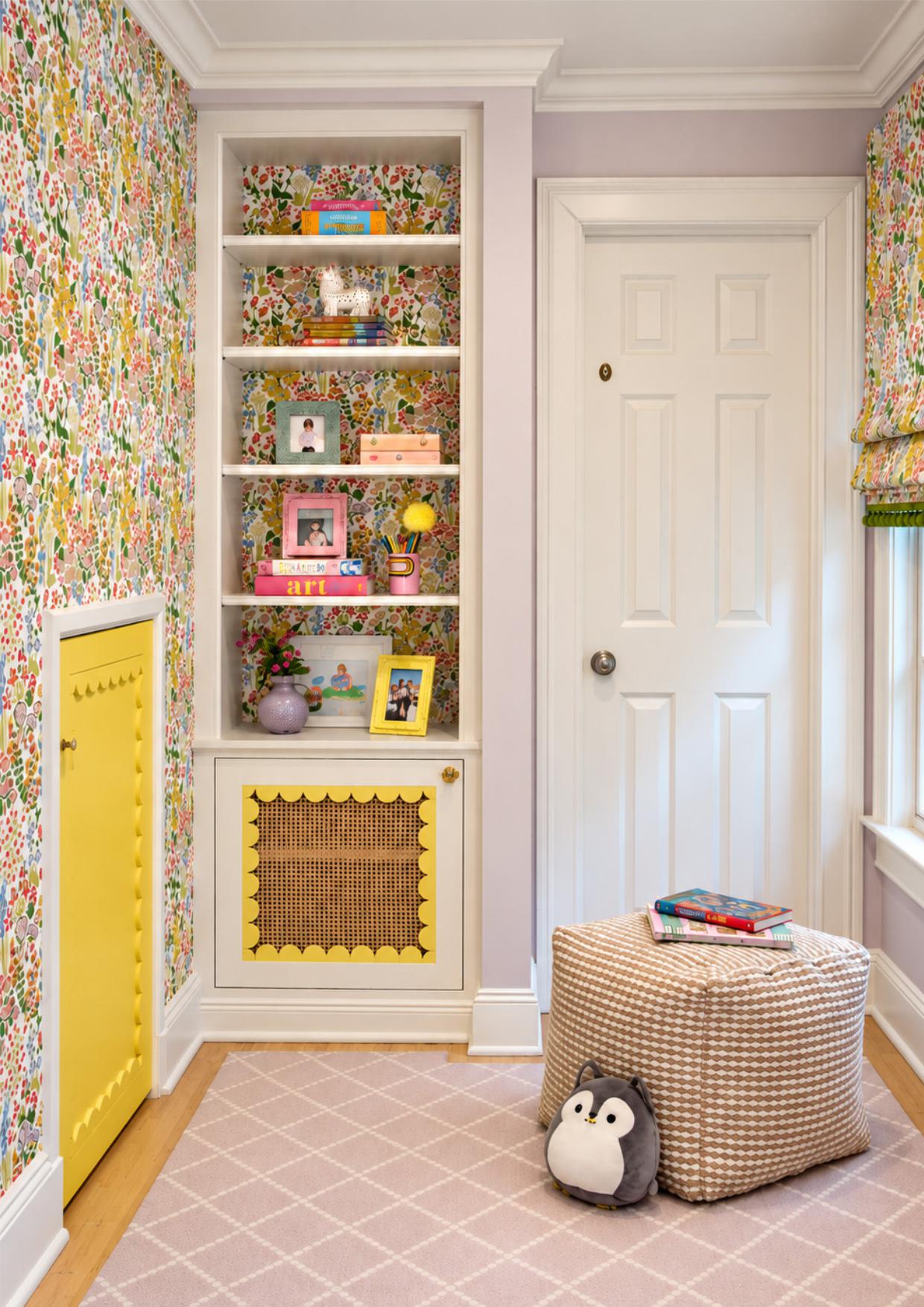
NA PÁGINA AO LADO, ABAIXO: A marcenaria sob medida, executada pela R P Fine Furniture & Custom Cabinet, cria um nicho de exposição. O tapete sob medida é da STARK.
OPPOSITE PAGE, BELOW: Custom millwork by R P Fine Furniture & Custom Cabinet creates a built-in display niche. The custom rug is by STARK
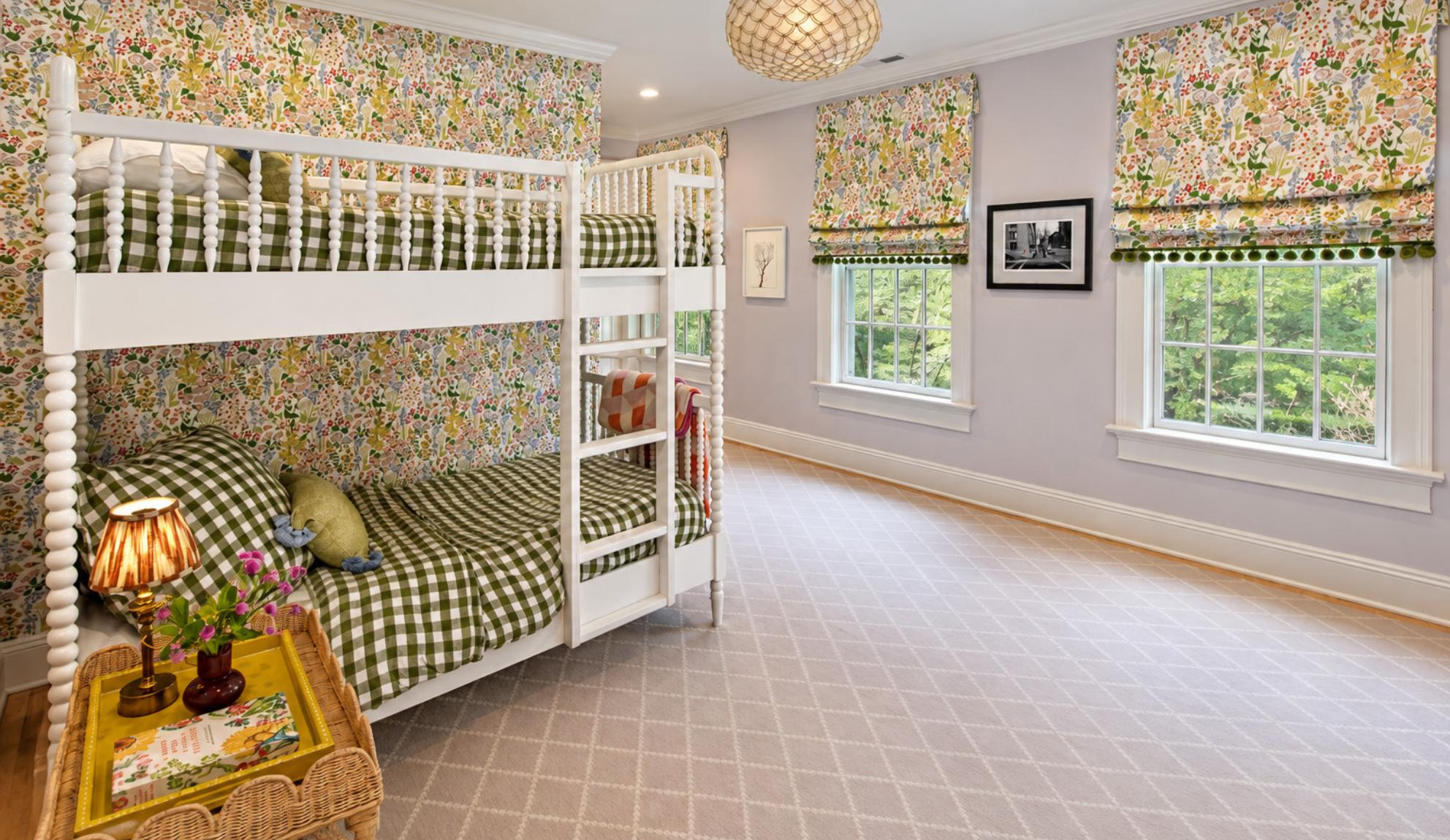
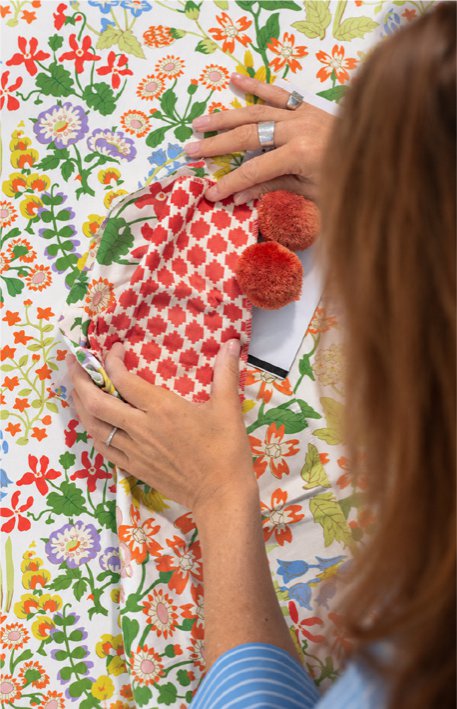
ABAIXO: O papel de parede Scalamandré reveste o quarto das meninas e se repete nas persianas romanas, finalizadas com acabamento de pompons da Fabricut. O beliche é da Crate & Barrel, com roupa de cama da Serena & Lily. O abajur Pooky acompanha a mesa de cabeceira da Serena & Lily.
BELOW: Scalamandré wallpaper wraps the girls’ room and is repeated on the Roman shades, finished with pom-pom trim by Fabricut. The bunk bed is from Crate & Barrel, with bed linens by Serena & Lily. A Pooky table lamp sits on the Serena & Lily nightstand.
Nessas horas, projetar não significa apenas responder ao presente. Significa perceber o que já não cabe e aquilo para o qual ainda é preciso abrir espaço.
Nem tudo aparece no briefing. Há desejos contraditórios, hábitos que o próprio cliente mal percebe, necessidades difíceis de nomear. Prestar atenção a essas frestas e compreender como alguém vive e como gostaria de viver muda decisões muito concretas de projeto.
Patricia acredita em beleza e harmonia, mas não em ambientes excessivamente resolvidos. Para ela, um bom espaço precisa deixar alguma coisa vibrando. Surpresa, contraste e até uma pequena dose de estranhamento podem ser tão importantes quanto equilíbrio e coerência - não como gestos gratuitos, mas como parte de uma composição capaz de despertar os sentidos e manter o espaço vivo.
É aí que intuição e formação técnica voltam a se encontrar. O rigor permite que a intuição encontre forma; a intuição impede que o rigor se transforme em fórmula. O projeto se constrói nesse movimento entre precisão e descoberta.
Talvez seja essa a ambição que melhor define a prática de Patricia Estefano: não projetar uma imagem pronta de como alguém deve viver, mas construir uma estrutura suficientemente precisa para sustentar a vida e suficientemente aberta para que ela.
A project may begin with a floor plan, a practical need, or a wish list. For Patricia Estefano, it almost always begins with another question as well: what kind of life needs to fit here?
An architect and founder of Studio Estefano, Patricia does not work from a predefined aesthetic. Certain values run through her projects - beauty, proportion, sensitivity, precision - but there is no visual formula to be repeated. Her architectural training provides the tools to design; listening, intuition, and a genuine curiosity about others help reveal what, ultimately, is worth designing.
Based in Greenwich, Connecticut, and working across the United States and Brazil, the Studio also carries Patricia’s experience of living between cultures. Moving between these worlds has expanded her repertoire and sharpened her interest in the relationship between space, identity, and the ways we live.
Because a home is never just a backdrop. It intervenes. It brings people together or keeps them apart. It exposes or protects. It shapes movement, habits, and encounters. A window can transform our relationship with a room; a table can change the way a family gathers; the scale of a space can make someone want to linger or simply pass through.
It is in this sense that Patricia describes the built environment as a “two-way street.” Spaces carry the marks of those who inhabit them, but they also act upon them. They tell us something about the life that already exists and, sometimes, help rehearse the life that is still to come.
Perhaps this is why so many projects arrive at the Studio accompanied by some form of transition. A family grows. A child leaves home. A relationship ends. A move or a new home ushers in a phase of life one may not yet know exactly how to inhabit.
At these moments, designing is not simply about responding to the present. It means recognizing what no longer fits and what still needs room to emerge.
Not everything appears in the brief. There are conflicting desires, habits clients themselves may barely notice, needs that are difficult to name. Paying attention to these openings and understanding how someone lives and how they would like to live can change very concrete design decisions.
Patricia believes in beauty and harmony, but not in spaces that feel overly resolved. For her, a good space needs to leave something vibrating. Surprise, contrast, and even a small degree of strangeness can be as important as balance and coherence - not as gratuitous gestures, but as part of a composition capable of awakening the senses and keeping a space alive.
This is where intuition and architectural training meet again. Rigor allows intuition to find form; intuition prevents rigor from becoming formula. The project takes shape within this movement between precision and discovery.
Perhaps this is the ambition that best defines Patricia Estefano’s practice: not to design a predetermined image of how someone should live, but to build a structure precise enough to support life and open enough to allow it to keep transforming.
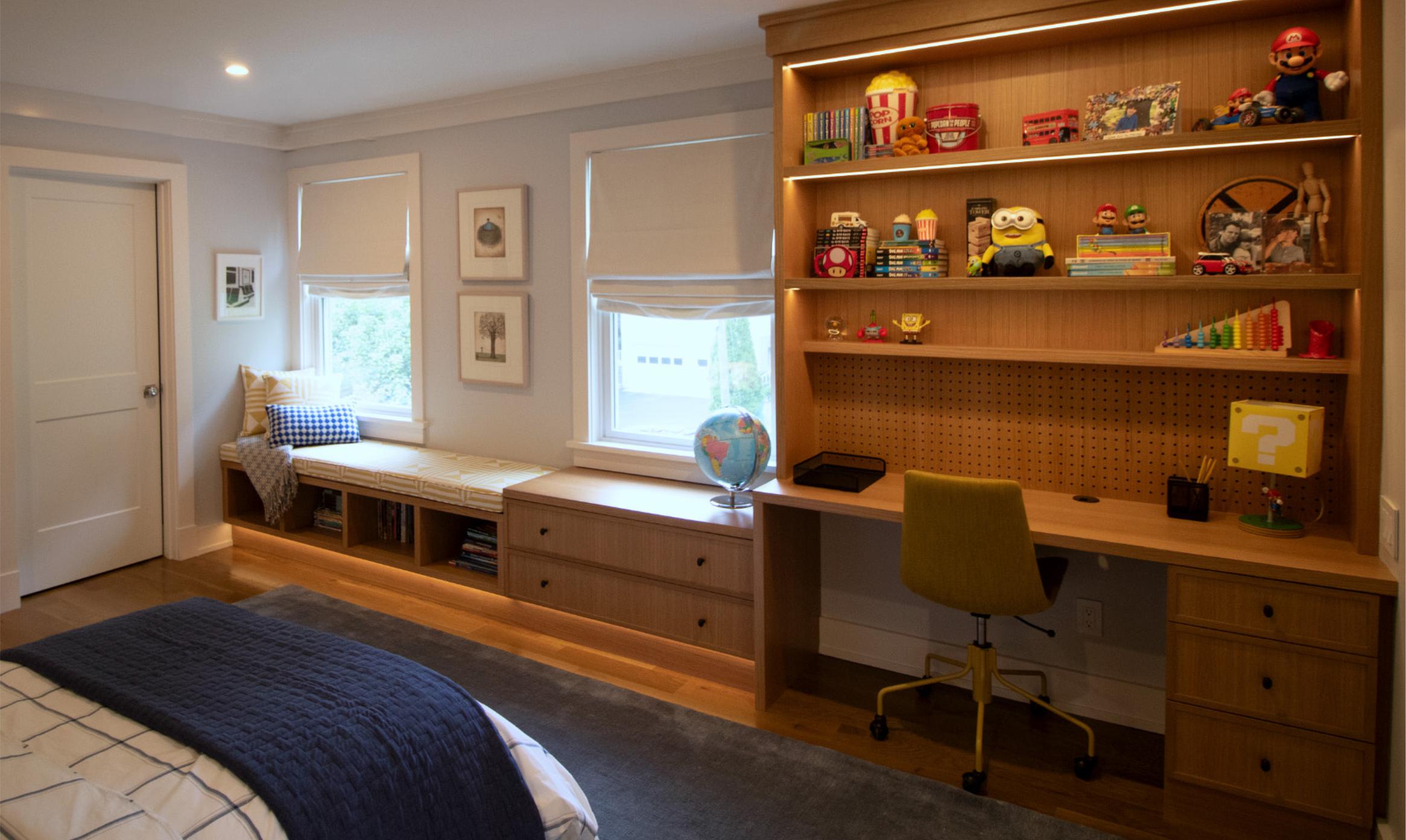
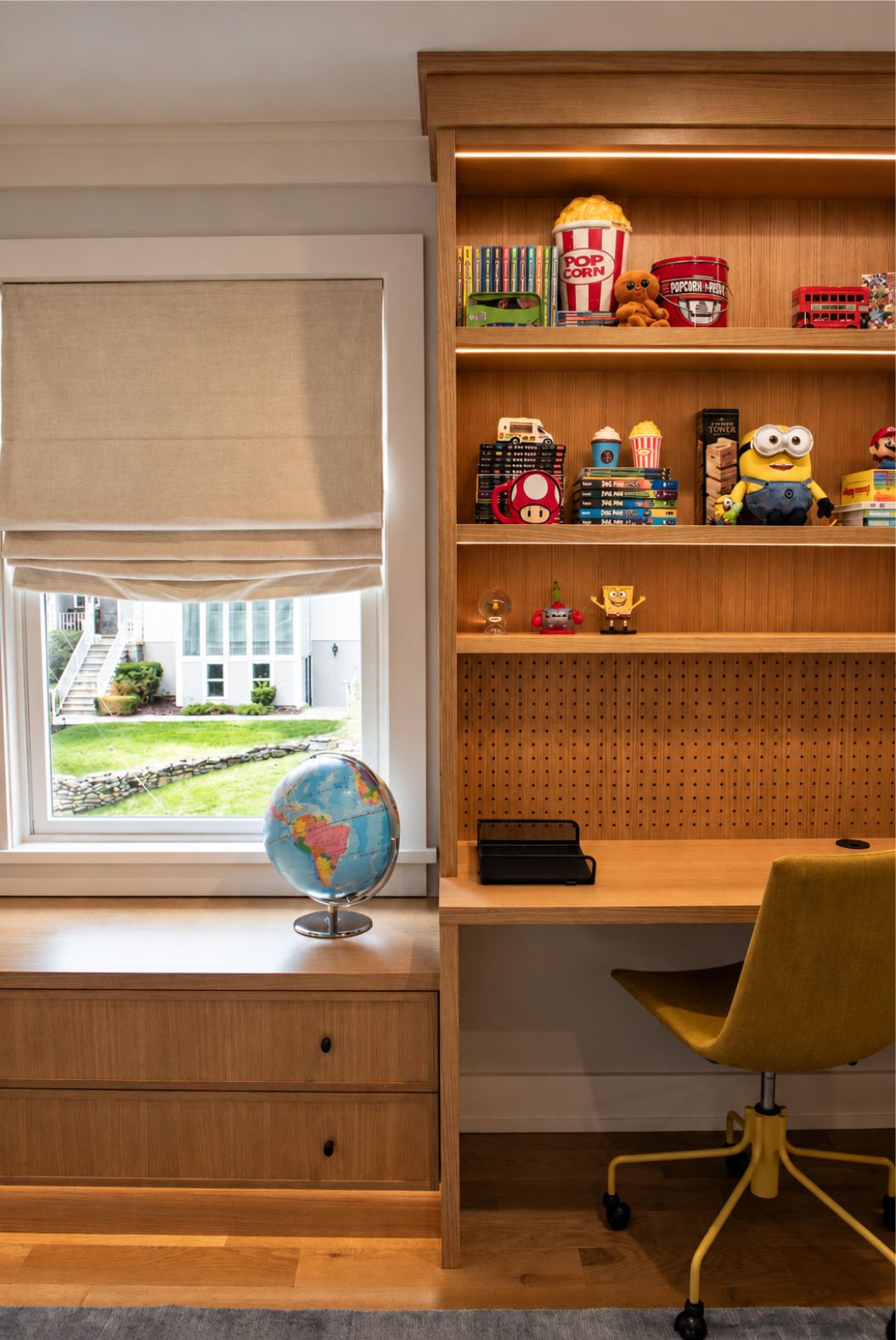
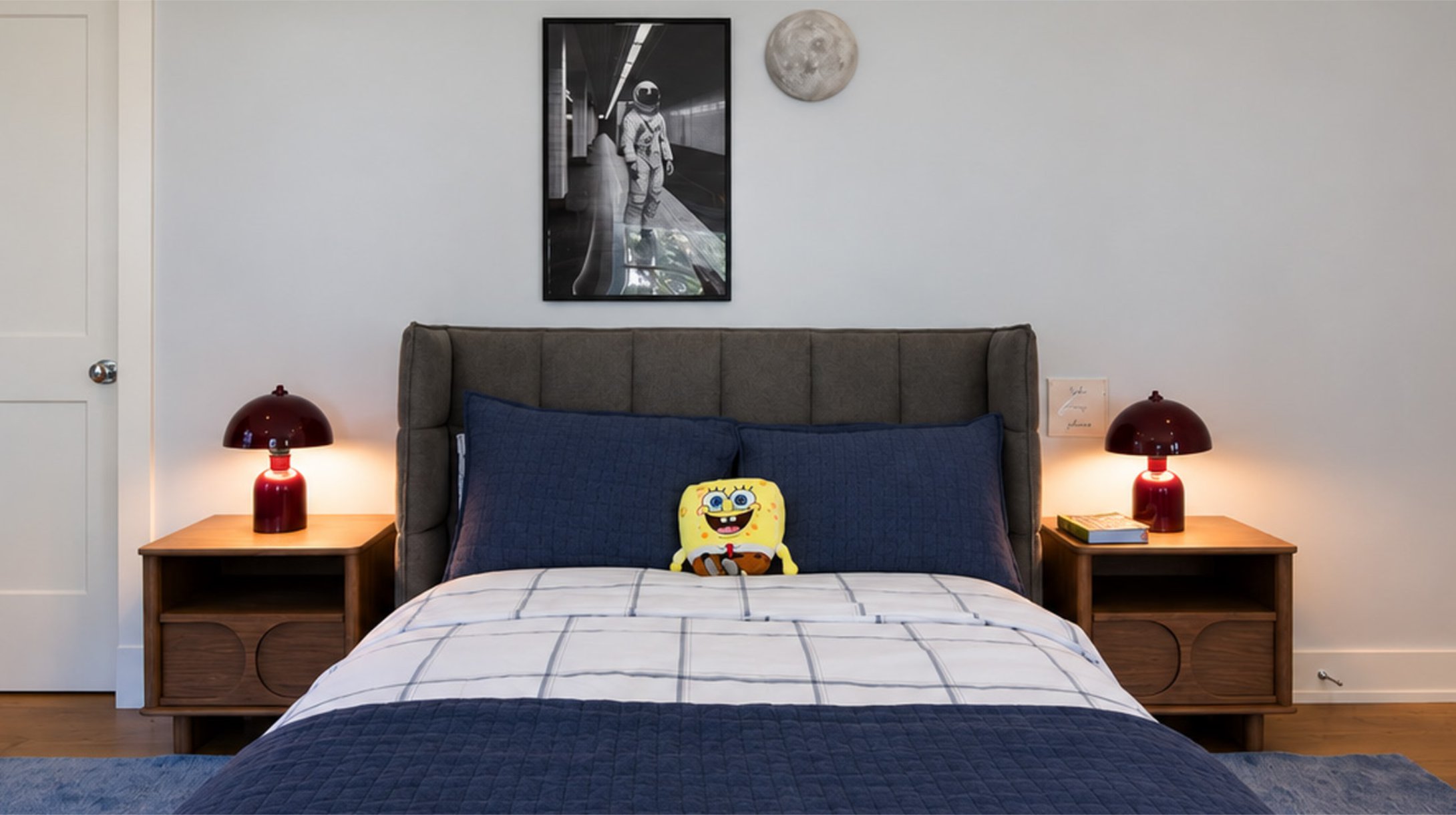
NESTA PÁGINA: Cama, RH Teen; mesas de cabeceira, Crate & Barrel; obra em caixa de acrílico sob medida, BRIEK; abajures, Etsy.
NA PÁGINA AO LADO: Marcenaria sob medida, Greenwich Cabinets; banco estofado sob medida, Interiors and Draperies of Greenwich, com tecido Scalamandré; cadeira de escritório, West Elm
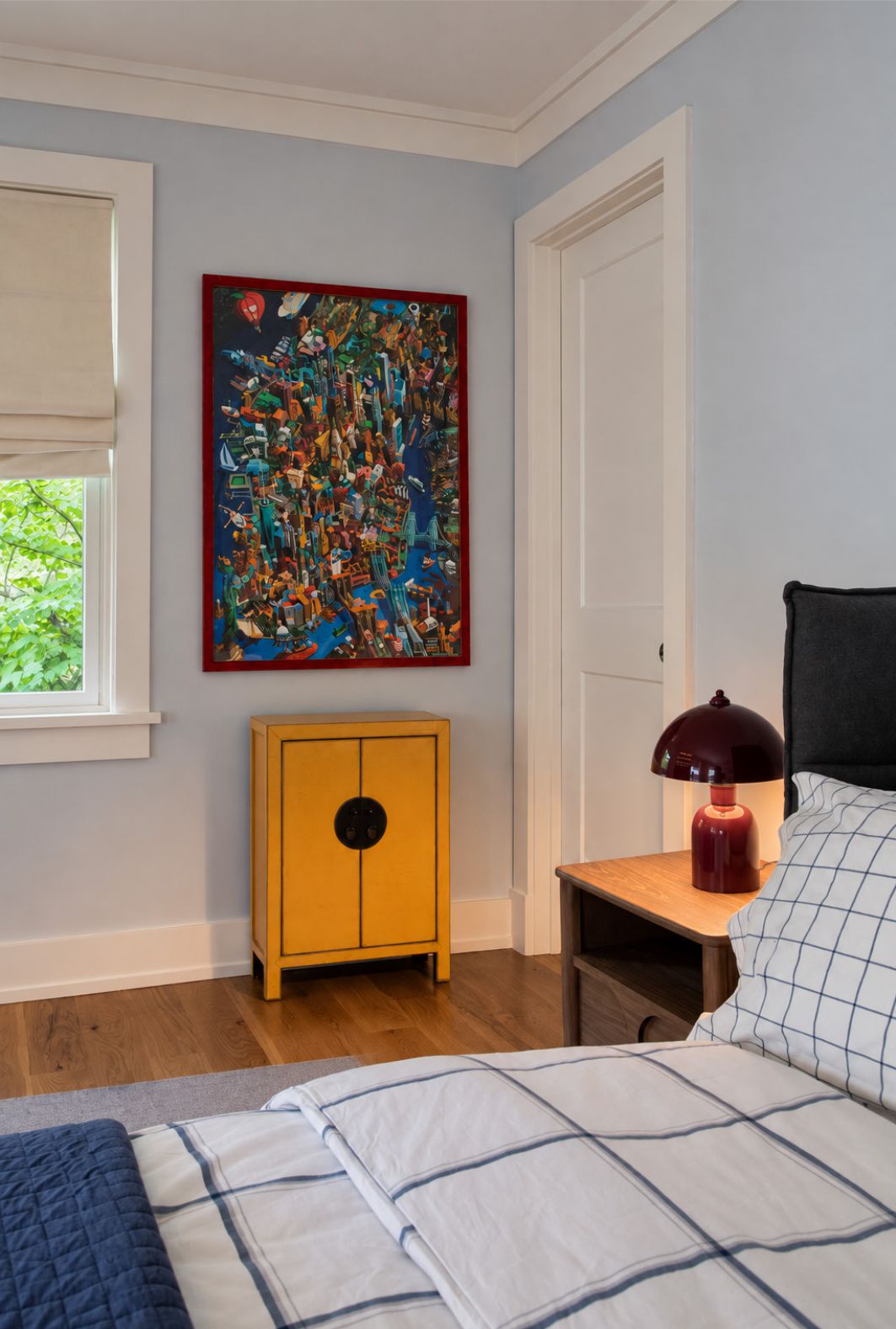
THIS PAGE: Bed, RH Teen; nightstands, Crate & Barrel; custom acrylic-box artwork, BRIEK; table lamps, Etsy.
OPPOSITE PAGE: Custom millwork, Greenwich Cabinets; custom upholstered bench, Interiors and Draperies of Greenwich, in Scalamandré fabric; desk chair, West Elm.