
Organização com propósito: espaços que inspiram bem estar
18 de junho de 2026
Uma casa, duas histórias e um sonho realizado
12 de junho de 2026Organização com propósito: espaços que inspiram bem estar
18 de junho de 2026Uma casa, duas histórias e um sonho realizado
12 de junho de 2026Arquitetura na Era da Inteligência Artificial: Construindo Cidades com Identidade, Propósito e Legado Humano
O futuro será construído por espaços que unirão tecnologia e pertencimento

Architecture in the Age of Artificial Intelligence: Building Cities with Identity, Purpose, and Human Legacy
The future will be built by spaces that unite technology and a sense of belonging.
A
o longo da história, cada grande revolução tecnológica transformou não apenas a forma como produzimos, mas também a maneira como vivemos, trabalhamos e ocupamos os espaços. Quando a indústria automobilística redefiniu a mobilidade global, surgiram novas cidades, rodovias, fábricas e modelos de desenvolvimento urbano. Com a chegada da internet, o mundo passou a exigir infraestrutura digital, centros de dados, redes de comunicação e uma nova lógica de conexão entre pessoas, empresas e culturas.
Agora, testemunhamos uma transformação de proporções igualmente significativas: a ascensão da Inteligência Artificial.
Muito além da automação de tarefas, a IA está remodelando economias, acelerando processos e redefinindo a relação entre seres humanos, informação e produtividade. Mas, em meio a essa revolução, surge uma questão essencial para arquitetos, urbanistas, desenvolvedores e líderes globais: qual será o verdadeiro impacto dessa nova era sobre as cidades e os espaços que habitamos?
A resposta talvez não esteja apenas na tecnologia em si, mas na crescente necessidade de criar ambientes capazes de preservar aquilo que nenhuma máquina pode substituir: identidade, cultura, memória e pertencimento.
Quanto mais digital se torna a sociedade, maior parece ser o desejo humano por experiências autênticas e conexões significativas. Nesse contexto, a arquitetura assume um papel ainda mais relevante. Não apenas como disciplina responsável por projetar edifícios, mas como ferramenta estratégica para criar significado, fortalecer comunidades e transformar cidades em lugares que contem histórias.
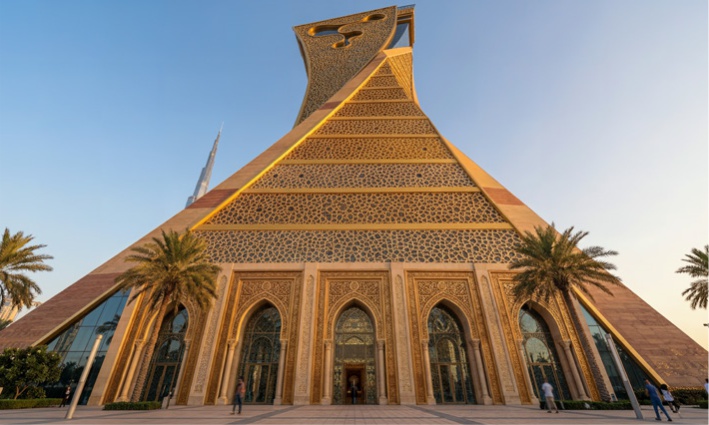
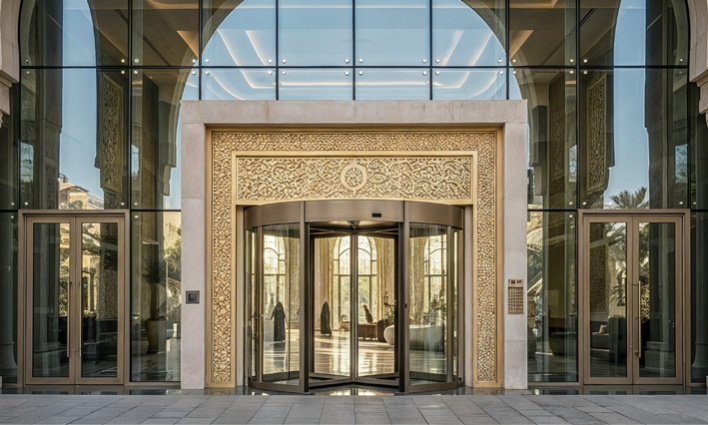
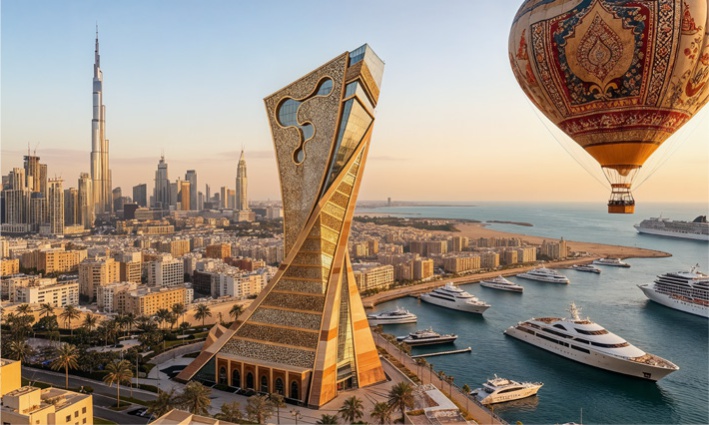
É dentro dessa visão que nasce a Arabian Spirit Tower, um conceito arquitetônico desenvolvido para Dubai que simboliza a convergência entre tradição e inovação. Sua composição une tecnologia construtiva avançada, desempenho ambiental e referências culturais reinterpretadas através de uma linguagem contemporânea. O projeto propõe uma reflexão sobre o futuro das cidades, demonstrando que progresso e identidade não são conceitos opostos, mas complementares.
Sua volumetria assimétrica representa os diversos caminhos que a humanidade pode seguir em um período marcado por mudanças aceleradas. Ao mesmo tempo, seus elementos arquitetônicos dialogam com a herança cultural da região, criando uma narrativa que ultrapassa fronteiras geográficas e se conecta a valores universais de pertencimento, diversidade e expressão humana.
A Inteligência Artificial certamente ampliará nossa capacidade de projetar, construir e gerir espaços urbanos com maior eficiência. Entretanto, seu maior potencial talvez esteja em permitir que arquitetos e planejadores concentrem seus esforços naquilo que realmente diferencia os lugares extraordinários: sua capacidade de gerar emoções, experiências e conexões duradouras.
Essa nova realidade abre espaço para uma geração de cidades concebidas sob princípios mais humanos, sustentáveis e integrados. Cidades onde a inovação tecnológica não substitui a identidade local, mas a fortalece. Ambientes que promovem desenvolvimento econômico, valorização imobiliária, turismo qualificado e legado cultural, ao mesmo tempo em que oferecem qualidade de vida e fortalecem os vínculos entre as pessoas e os lugares que habitam.
Os marcos arquitetônicos do futuro não serão lembrados apenas por sua eficiência ou imponência.
Serão reconhecidos por sua capacidade de criar significado. Serão espaços capazes de unir tecnologia e emoção, inteligência e sensibilidade, inovação e memória.
Porque, no fim, a grande oportunidade da era da Inteligência Artificial não está apenas em construir mais rápido. Está em construir melhor. Em criar cidades que utilizem a tecnologia como instrumento para ampliar a experiência humana, preservar identidades e gerar prosperidade para as próximas gerações.
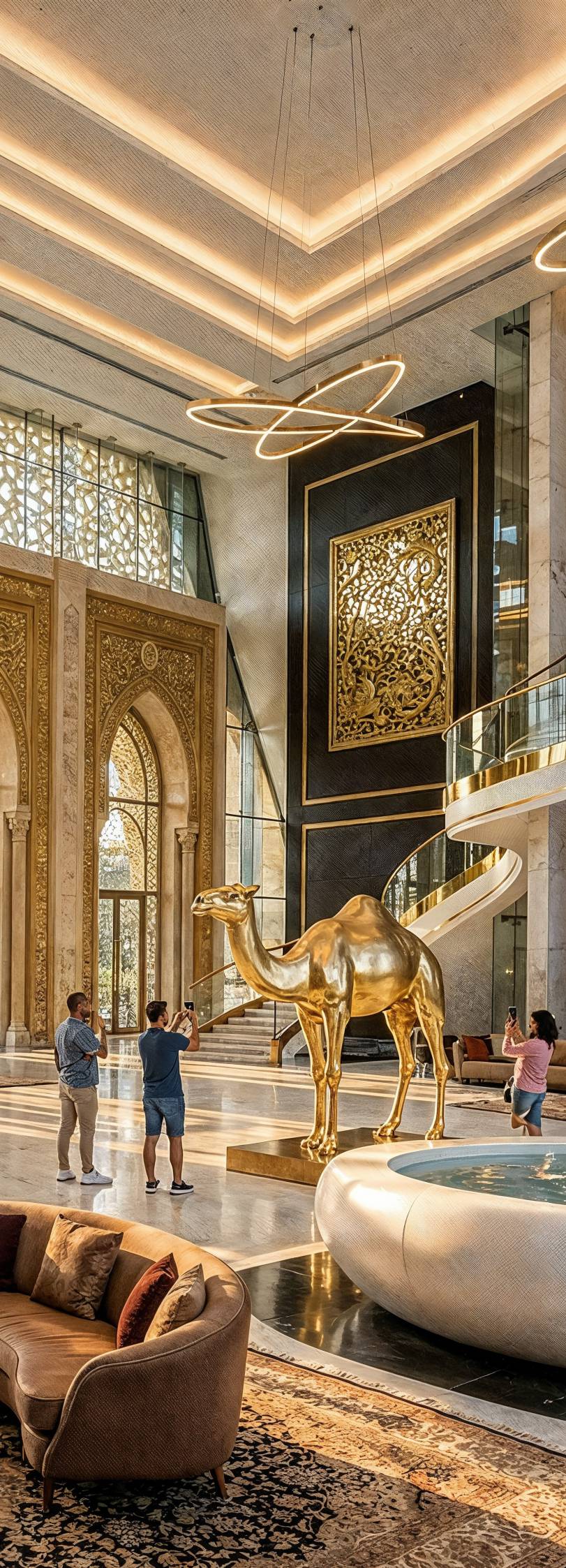
Throughout history, every major technological revolution has transformed not only the way we produce, but also how we live, work, and inhabit our spaces. When the automotive industry redefined global mobility, new cities, highways, factories, and urban development models emerged. With the arrival of the internet, the world began demanding digital infrastructure, data centers, communication networks, and a new logic of connection among people, businesses, and cultures. Agora, testemunhamos uma transformação de proporções igualmente significativas: a ascensão da Inteligência Artificial.
Today, we are witnessing a transformation of equally profound significance: the rise of Artificial Intelligence.
Far beyond task automation, AI is reshaping economies, accelerating processes, and redefining the relationship between human beings, information, and productivity. Yet amid this revolution, an essential question arises for architects, urban planners, developers, and global leaders: what will be the true impact of this new era on the cities and spaces we inhabit?
The answer may lie not only in the technology itself, but in the growing need to create environments capable of preserving what no machine can replace: identity, culture, memory, and a sense of belonging.
The more digital society becomes, the stronger the human desire appears to be for authentic experiences and meaningful connections. In this
context, architecture assumes an even more relevant role not merely as the discipline responsible for designing buildings, but as a strategic tool for creating meaning, strengthening communities, and transforming cities into places that tell stories.
It is within this vision that the Arabian Spirit Tower was conceived, an architectural concept developed for Dubai that symbolizes the convergence of tradition and innovation. Its design combines advanced building technologies, environmental performance, and cultural references reinterpreted through a contemporary architectural language. The project invites reflection on the future of cities, demonstrating that progress and identity are not opposing concepts, but complementary ones.
Its asymmetrical massing represents the diverse paths humanity may follow during a period marked by accelerated change. At the same time, its architectural elements engage with the region’s cultural heritage, creating a narrative that transcends geographic boundaries and connects with universal values of belonging, diversity, and human expression.
Artificial Intelligence will undoubtedly expand our ability to design, build, and manage urban environments with greater eff iciency. However, its greatest potential may lie in allowing architects and planners to focus their efforts on what truly distinguishes extraordinary places: their ability to generate emotions, experiences, and lasting connections.
This new reality paves the way for a generation of cities designed around more human centered, sustainable, and integrated principles. Cities where technological innovation does not replace local identity, but rather strengthens it. Environments that foster economic development, real estate appreciation, high-quality tourism, and cultural legacy, while also enhancing quality of life and strengthening the connections between people and the places they call home.
The architectural landmarks of the future will not be remembered solely for their eff iciency or grandeur. They will be recognized for their ability to create meaning. They will be spaces capable of uniting technology and emotion, intelligence and sensitivity, innovation and memory.
Because ultimately, the greatest opportunity of the Artificial Intelligence era is not simply to build faster. It is to build better to create cities that use technology as a tool to enhance the human experience, preserve identities, and generate prosperity for future generations.