

A fotografia que transforma paisagens em experiências
30 de julho de 2026
Elevare Home: design, sofisticação e exclusividade para transformar ambientes
20 de julho de 2026A fotografia que transforma paisagens em experiências
30 de julho de 2026Elevare Home: design, sofisticação e exclusividade para transformar ambientes
20 de julho de 2026
COMPORTA
PORTUGAL
C omporta Destino: Comporta Minha relação com Portugal começou há mais de vinte anos, quando fui estudar arquitetura na Universidade do Minho, em Guimarães. Desde então, a vida insiste em me levar de volta ao país. Curiosamente, foi apenas recentemente que finalmente cheguei à Comporta.
Foram amigos de Lisboa, o arquiteto Pedro Ricciardi e Frederica, que me apresentaram a região. Eles cresceram passando os verões ali, entre primos e amigos, festas com os pés na areia e peixe na brasa, em praias quase desertas.
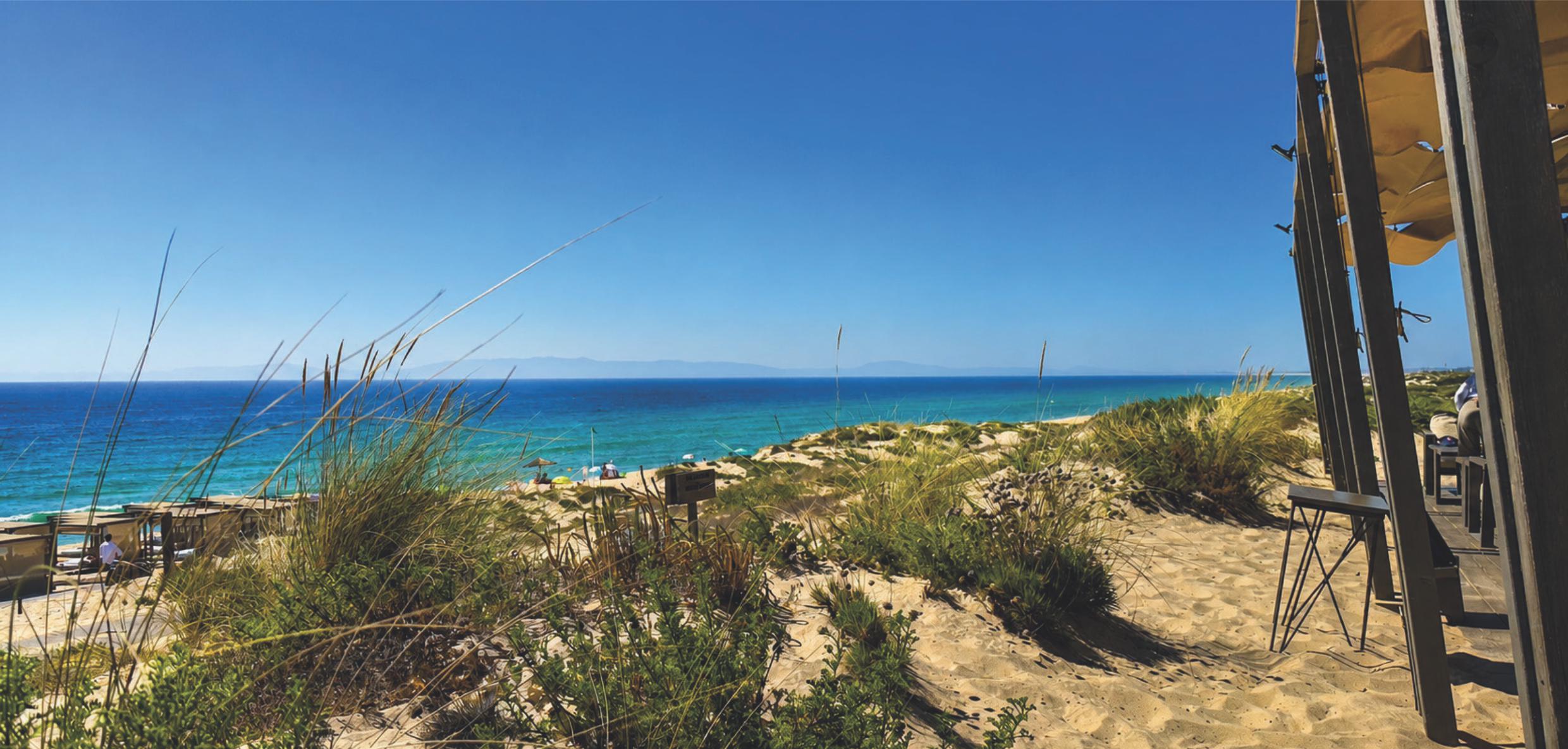
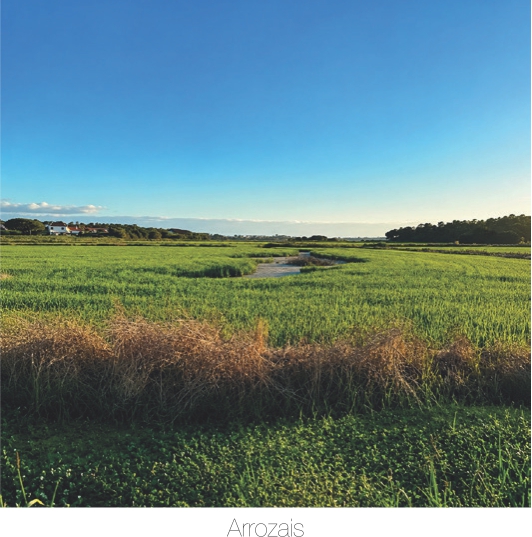
Comporta fica a pouco mais de uma hora ao sul de Lisboa, na Reserva Natural do Estuário do Sado. A região reúne praias de areia clara e águas cristalinas do Atlântico, em tons de azulturquesa e esmeralda. Os verdes profundos dos arrozais, as florestas de pinheiros e o céu imenso impactam não apenas os olhos, mas parecem reorganizar o corpo e estabilizar o sistema nervoso.
A cultura da pesca e do cultivo do arroz continuam presentes. Essa simplicidade, presente na forma como as pessoas vivem o lugar e interagem com a paisagem e a arquitetura, logo informa o visitante de que é preciso pausar por alguns instantes e recalibrar a frequência.
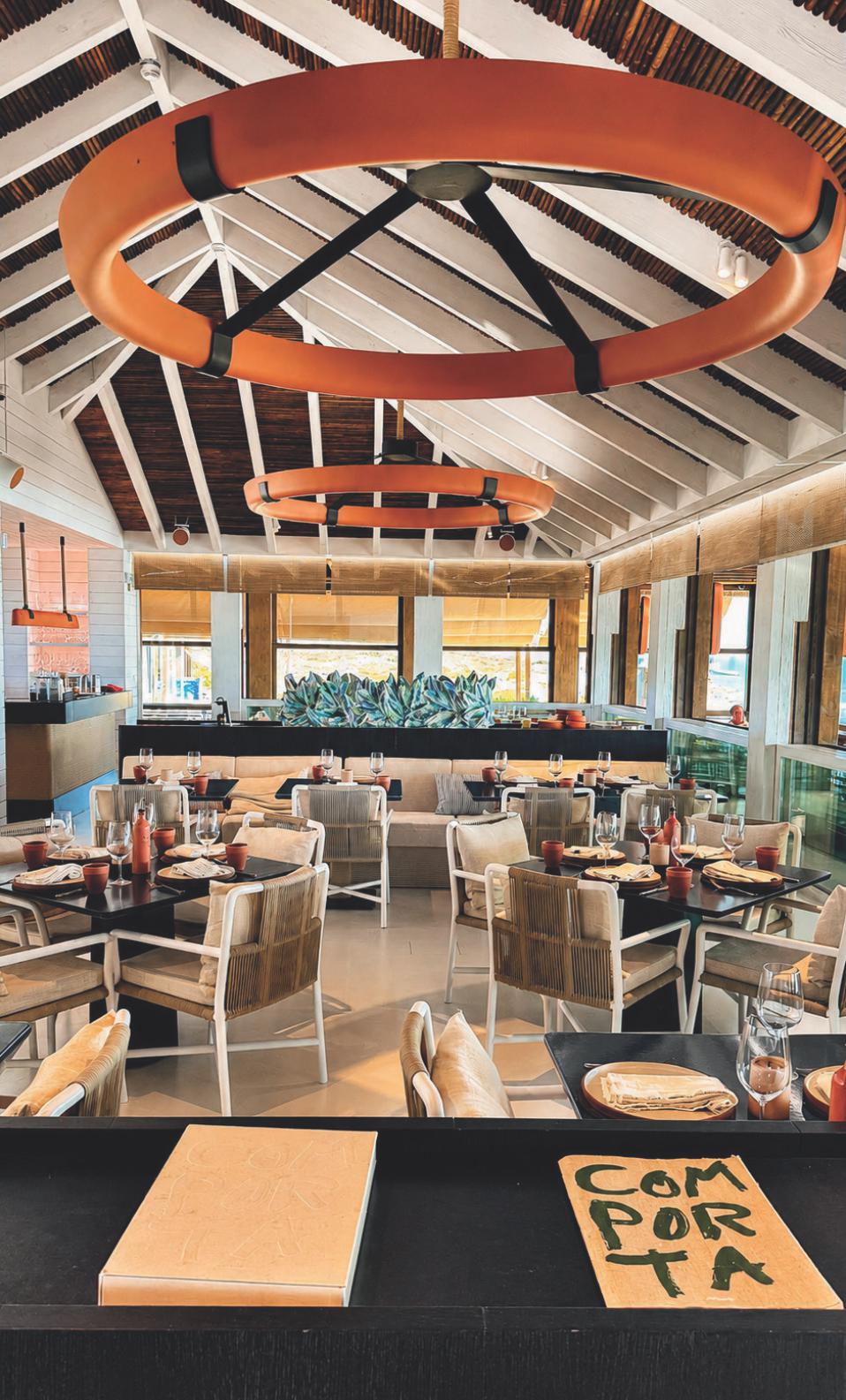
A presença da pedra da região e da madeira, assim como da palha nos telhados e fachadas e das paredes caiadas de cal, permanece nas antigas casas de pescadores, transformadas em pequenos oásis particulares, e nas novas construções, de baixa escala, que não tentam dominar a natureza nem competir com ela. Pelo contrário, parecem pedir licença para existir, buscando sempre entrar em equilíbrio com o entorno.
Essa simplicidade estética não é apenas minimalismo ou rusticidade. É uma forma de respeito ao silêncio, à escala humana, à privacidade, ao tempo e à paisagem.
Talvez por isso Comporta tenha permanecido, por tanto tempo, um refúgio quase secreto de artistas, criativos e parte da elite europeia. Atraídos não pelo espetáculo, mas pela discrição e pela sensação de viver entre parênteses.Essa mesma filosofia aparece também na mesa. Os pescados frescos, o lingueirão, os peixinhos da horta, os cozidos de arroz, os vinhos portugueses… tudo parece celebrar a autenticidade do lugar, sem excessos, sem a necessidade de impressionar.
A região, que funcionou por décadas como uma zona agrícola e refúgio de férias de poucos, vive uma transformação importante.
O ponto de inflexão veio em 2014, quando grande parte das terras começou a ser vendida. A partir daí, novos investimentos chegaram ao local, grandes empreendimentos começaram a surgir, e a região entrou definitivamente no radar internacional. O antigo segredo transformou-se em um dos destinos mais desejados da Europa.
Hoje, muitos se perguntam se esse crescimento acelerado conseguirá preservar aquilo que tornou esse lugar tão especial. Gosto de acreditar que o mercado apenas responde àqueles que vêm justamente em busca da essência que sempre definiu a Comporta: o luxo mais desejado da contemporaneidade o silêncio, a presença na natureza e o tempo passando mais devagar.
E foi por isso que eu voltei, aceitando o convite para desacelerar, deixar o celular de lado, esquecer por alguns dias a urgência do mundo e simplesmente estar por inteiro. Em um lugar que não pede para ser conquistado. Apenas vivido.
M y relationship with Portugal began more than twenty years ago, when I went to study architecture at the University of Minho, in Guimarães. Since then, life has insisted on bringing me back to the country. Curiously, it was only recently that I finally arrived in Comporta.
It was friends from Lisbon, the architect Pedro Ricciardi and Frederica, who introduced me to the region. They grew up spending their summers there, among cousins and friends, barefoot gatherings on the sand, grilled fish, on nearly deserted beaches.
Comporta is located a little over an hour south of Lisbon, within the Sado Estuary Nature Reserve. The region brings together white-sand beaches and the crystal-clear waters of the Atlantic, in shades of turquoise and emerald. The deep greens of the rice fields, the pine forests, and the immense sky impact not only the eyes, but seem to reorganize the body and stabilize the nervous system.
The culture of fishing and rice cultivation remains present. This simplicity, present in the way people live in the place and interact with the landscape and the architecture, quickly tells the visitor that it is necessary to pause for a few moments and recalibrate their frequency.
The presence of local stone and wood, as well as thatch on the roofs and façades and limewashed walls, remains in the old fishermen’s houses, transformed into small private oases, and in the new low-scale buildings, which do not try to dominate nature or compete with it. On the contrary, they seem to ask permission to exist, always seeking to live in harmony with their surroundings.
This aesthetic simplicity is not merely minimalism or rusticity. It is a form of respect for silence, for the human scale, for privacy, for time, and for the landscape.
Perhaps that is why Comporta remained, for so long, an almost secret refuge for artists, creatives,and part of the European elite. Drawn not by spectacle, but by discretion. By the feeling of living between parentheses.
That same philosophy also appears at the table. Fresh seafood, razor clams, peixinhos da horta, rice dishes, Portuguese wines... everything seems to celebrate the authenticity of the place, without excess, without the need to impress.
The region, which functioned for decades as an agricultural area and a holiday retreat for a select few, is undergoing an important transformation. The turning point came in 2014, when much of the land began to be sold. From then on, new investments arrived, major developments began to emerge, and the region definitively entered the international spotlight. The old secret became one of Europe’s most sought-after destinations.
Today, many wonder whether this accelerated growth will be able to preserve what made this place so special. I like to believe that the market is simply responding to those who come precisely in search of the essence that has always defined Comporta: the most desired luxury of contemporary life silence, being present in nature, and time passing more slowly.of Europe’s most sought-after destinations.
And that is why I returned, accepting the invitation to slow down, put my phone aside, forget the urgency of the world for a few days, and simply be fully present. In a place that does not ask to be conquered. Only lived.
Meus Favoritos | My Favorites
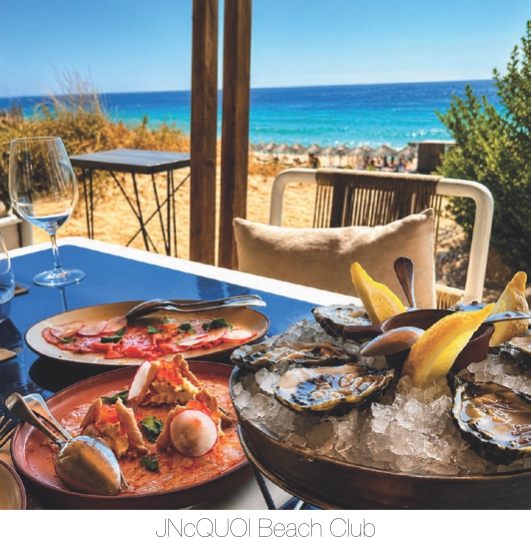
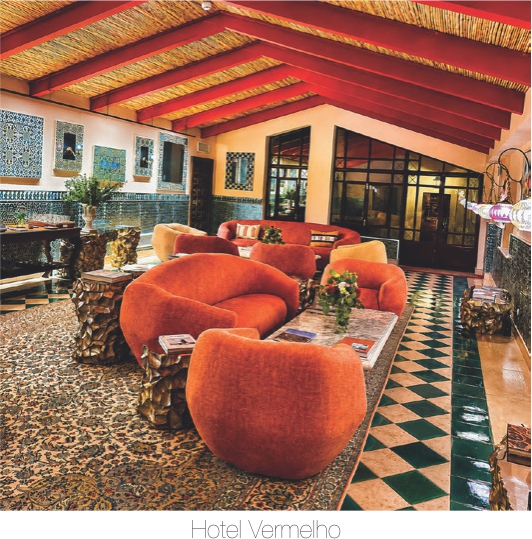
Onde Comer: Sal Restaurant, Sublime Beach Club, JNcQUOI Beach Club, JNcQUOI Deli, Cavalariça, Mesa, Jacaré e Gelato Ice Cream. Se estiver disposto a dirigir um pouco, não deixe de conhecer o Xtian, no Hotel Vermelho, em Melides.
Dining: Sal Restaurant, Sublime Beach Club, JNcQUOI Beach Club, JNcQUOI Deli, Cavalariça, Mesa, Jacaré, and Gelato Ice Cream. If you’re up for a short drive, don’t miss Xtian at Vermelho Hotel in nearby Melides.
Onde Comprar: Loja do Museu do Arroz, Garcias Wine & Spirits, Casa da Cultura da Comporta (e suas diversas lojinhas), Fashion Clinic, Caju e The Life Juice.
Shopping: Loja do Museu do Arroz, Garcias Wine & Spirits, Casa da Cultura da Comporta (and its many boutiques), Fashion Clinic, Caju, and The Life Juice.
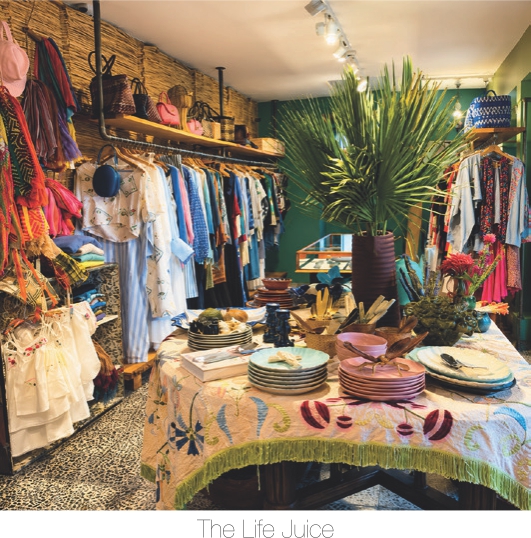
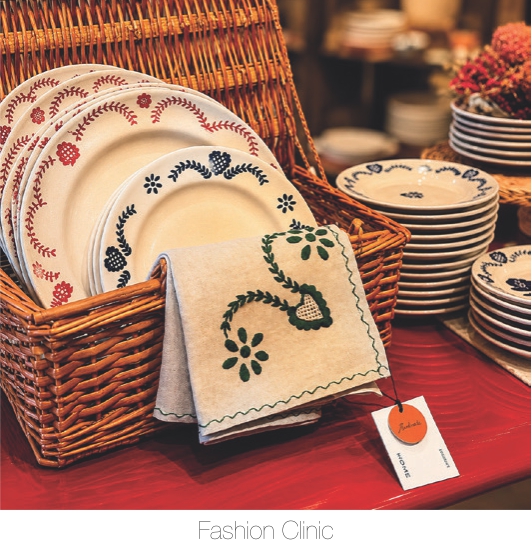
O Que Fazer: Não encha seus dias de programação. Deixe que a praia seja o plano. Se você gosta de aventura, faça uma aula de surfe ou um passeio de standup paddle pelos arrozais com a Surf in Comporta.
What to Do: Don’t overbook your days. Let the beach be the plan. If you’re the adventurous type, take a surf lesson or paddle through the rice fields with Surf in Comporta.
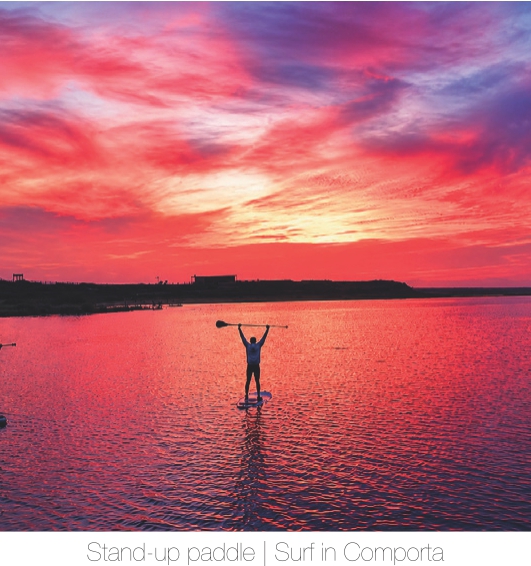
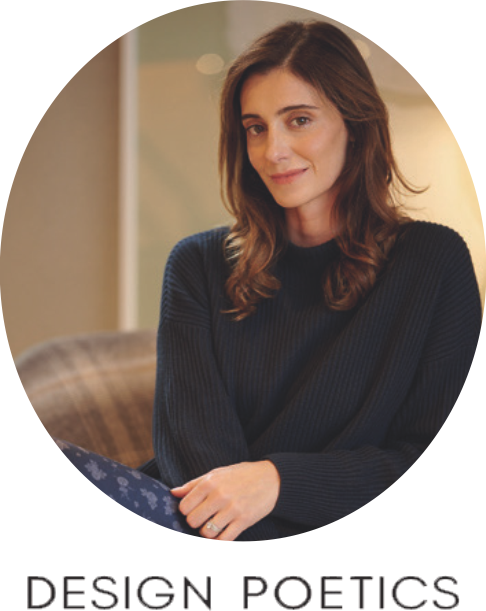
Patricia Estefano é arquiteta e fundadora da Studio Estefano. Em Design Poetics, escreve sobre arquitetura, interiores, viagens e a forma como os espaços moldam a experiência humana. Leia mais em seu Substack: Design Poetics.@studioestefano
Patricia Estefano is an architect and the founder of Studio Estefano. Through Design Poetics, she writes about architecture, interiors, travel, and the ways in which spaces shape the human experience. Read more on her Substack: Design Poetics.@studioestefano